Open MRI
Open MRI at the Kreisklinik Groß-Gerau
Welcome to our open magnetic resonance imaging (MRI)
About our open magnetic resonance tomograph
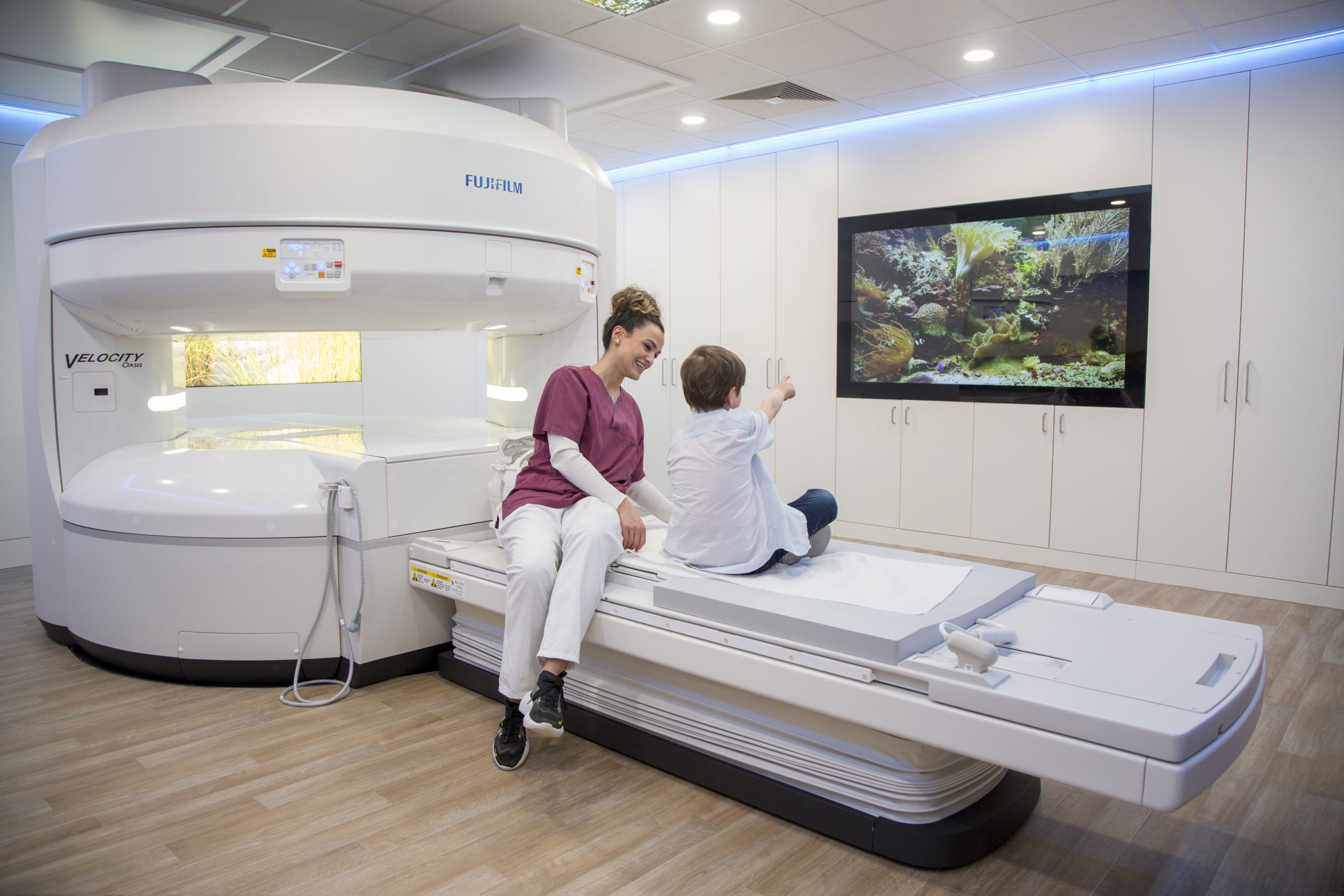
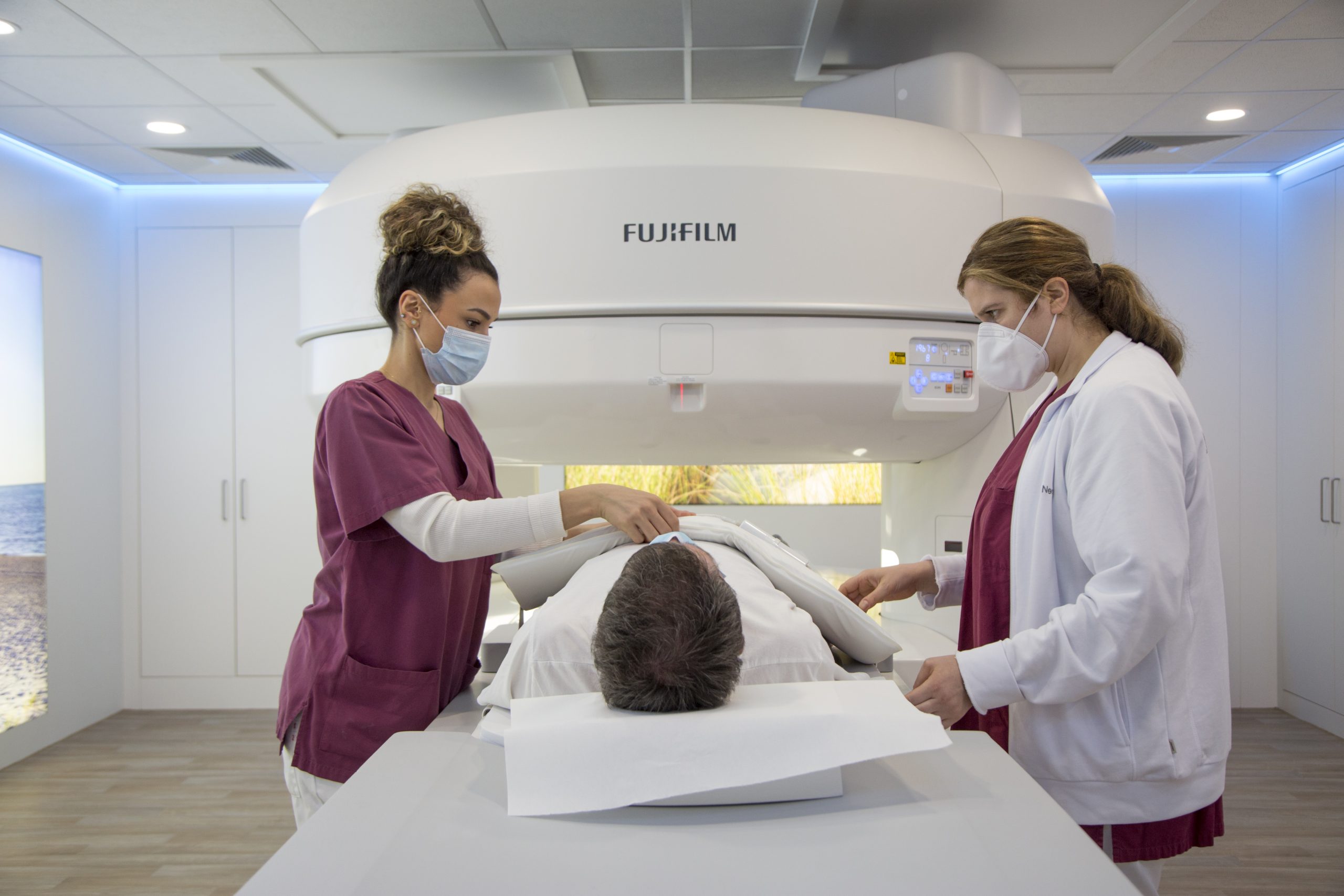
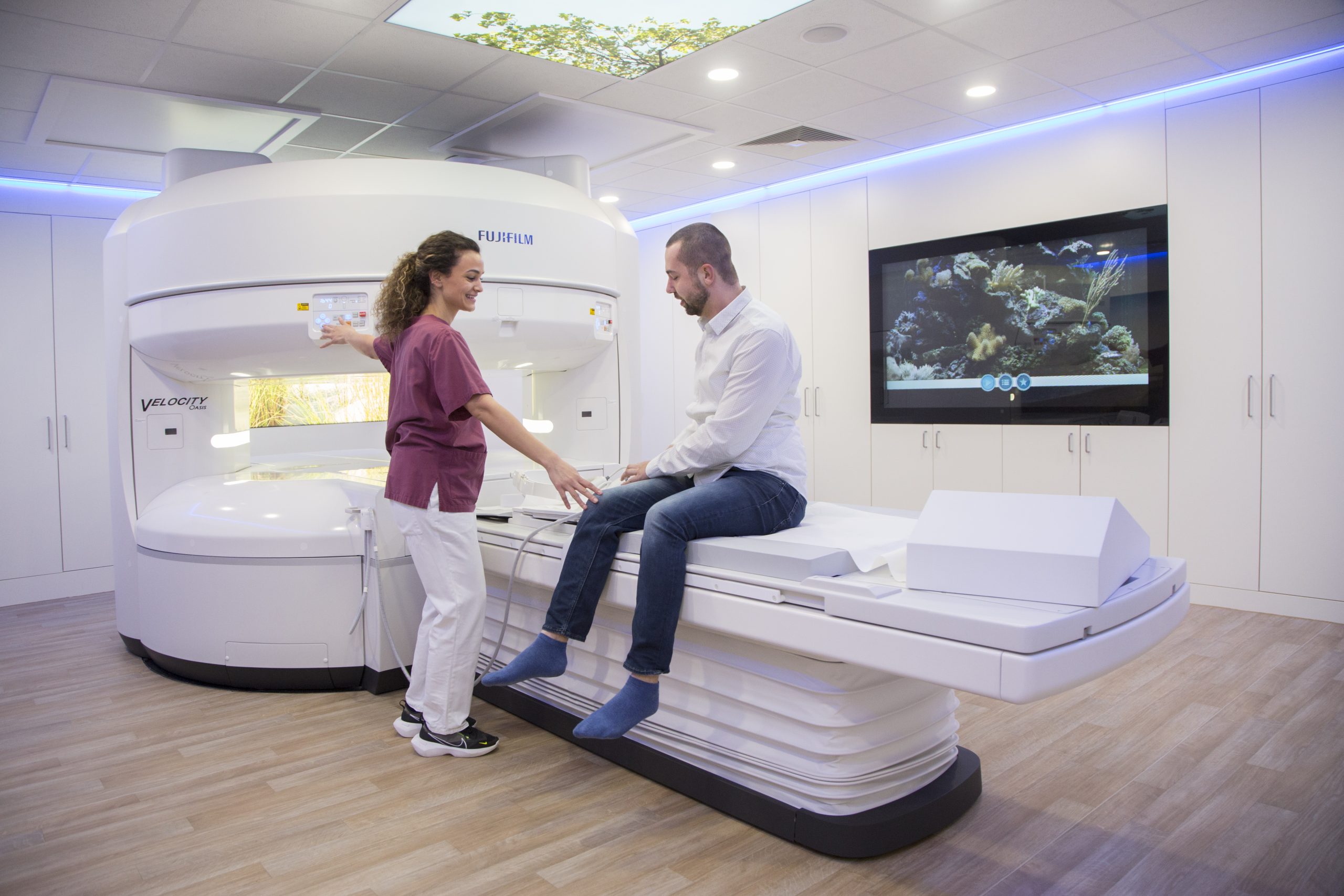
The open MRI at the district clinic meets our requirements for state-of-the-art medical diagnostics. It is the first model ‘Fujifilm OASIS Velocity’ of its kind in Europe.

Appointment:
We can offer you an MRI appointment by arrangement. Please contact us Monday-Friday from 8 a.m. to 4 p.m. at:
Tel. No: 06152 986-2375
Fax No: 06152 986-2419
E-Mail: radiologie@kreisklinik-gg.de
Patient perspective: We put ourselves in your position
We are convinced that medicine must be thought of from your point of view – so that, in addition to the best possible medical care, we can also create a treatment environment in which you feel well cared for.
That's why we examine you at the district clinic in an open MRI:
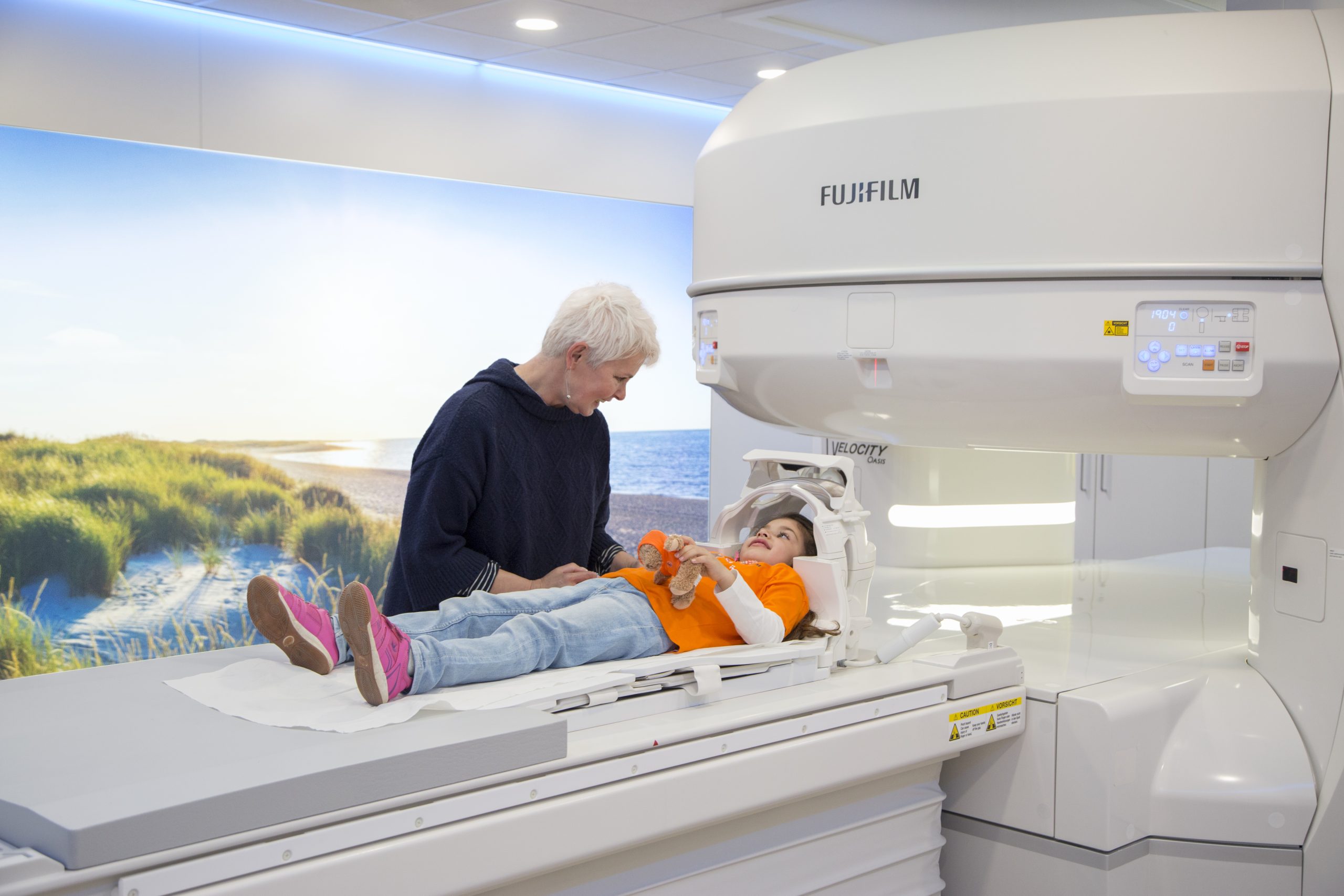
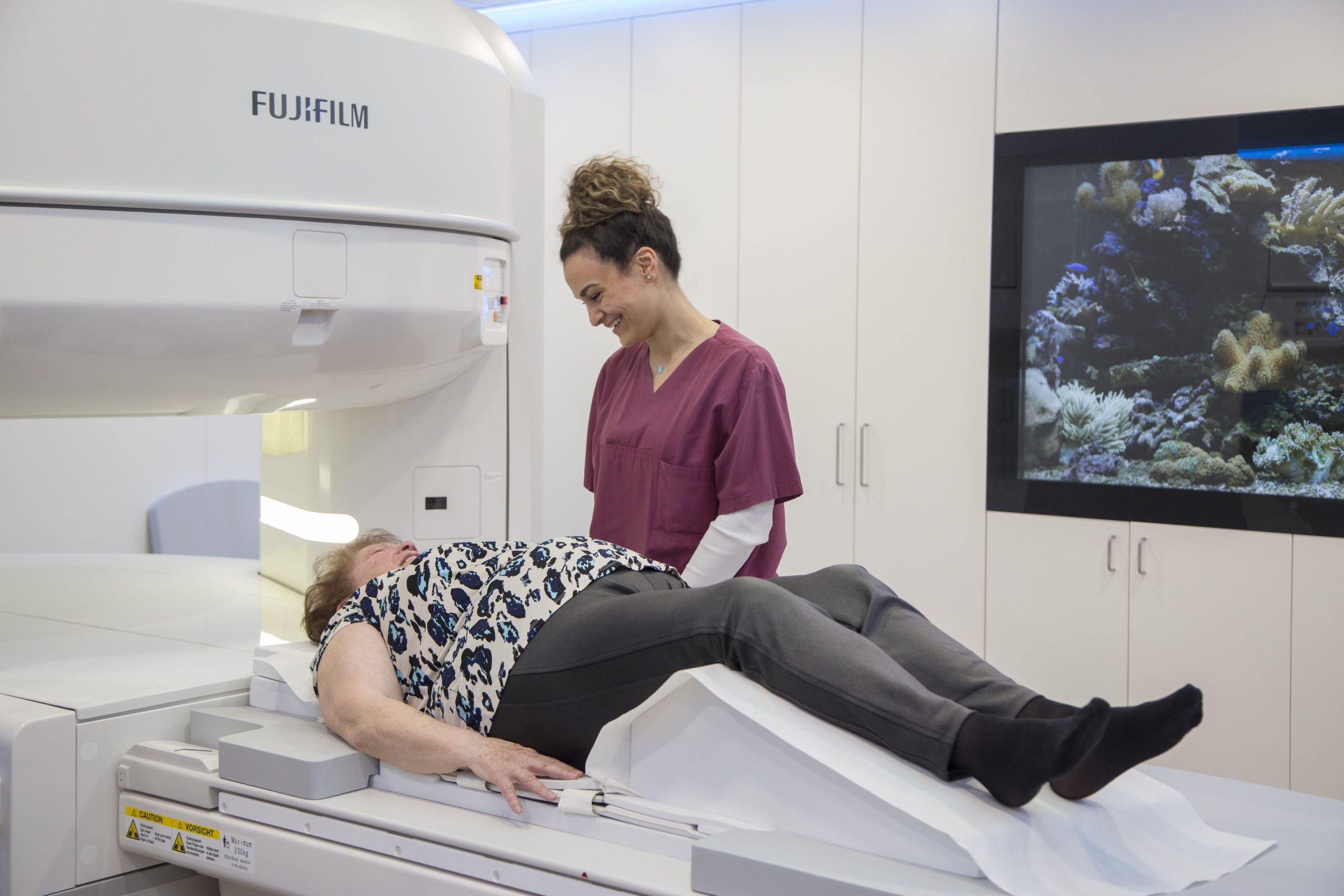
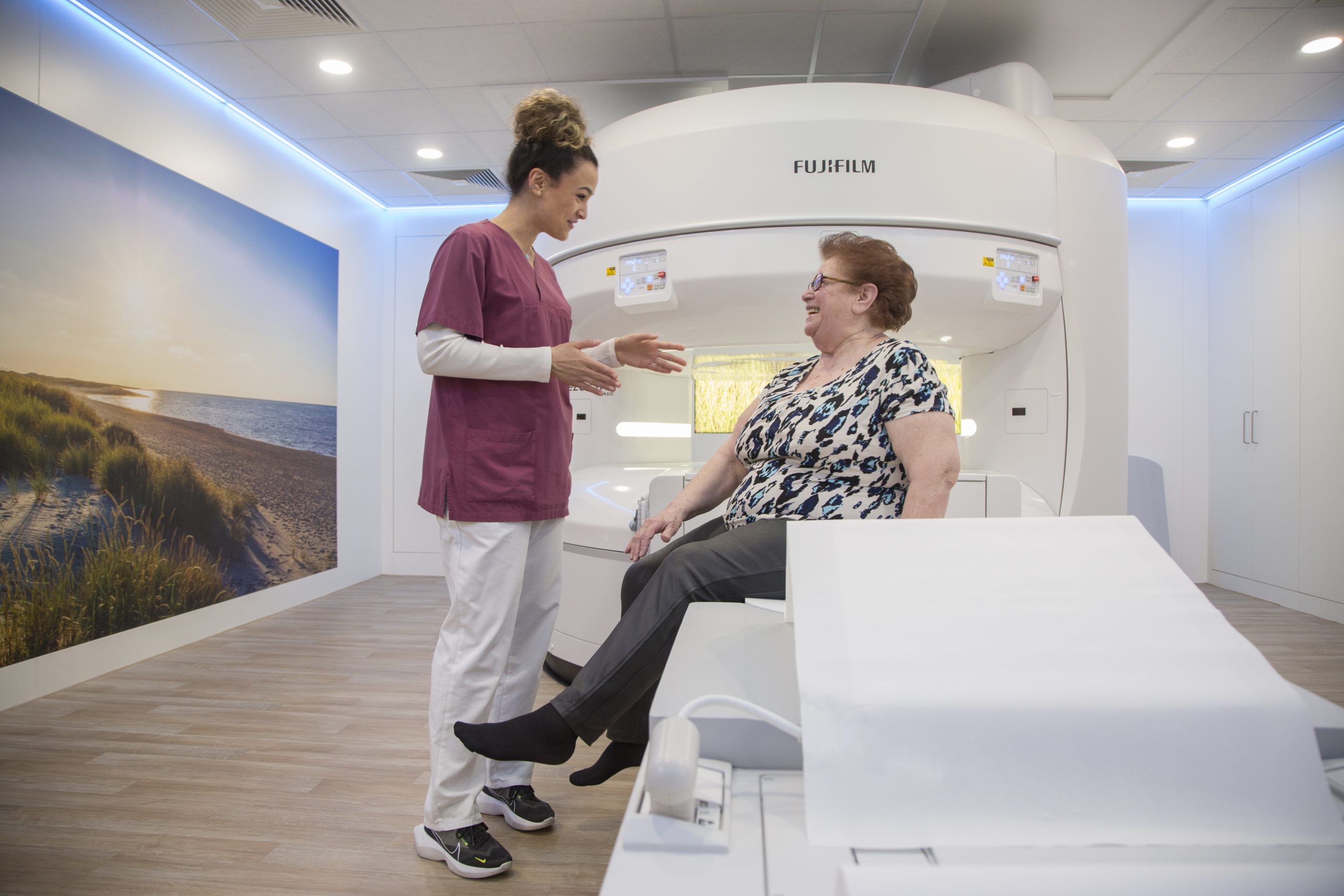
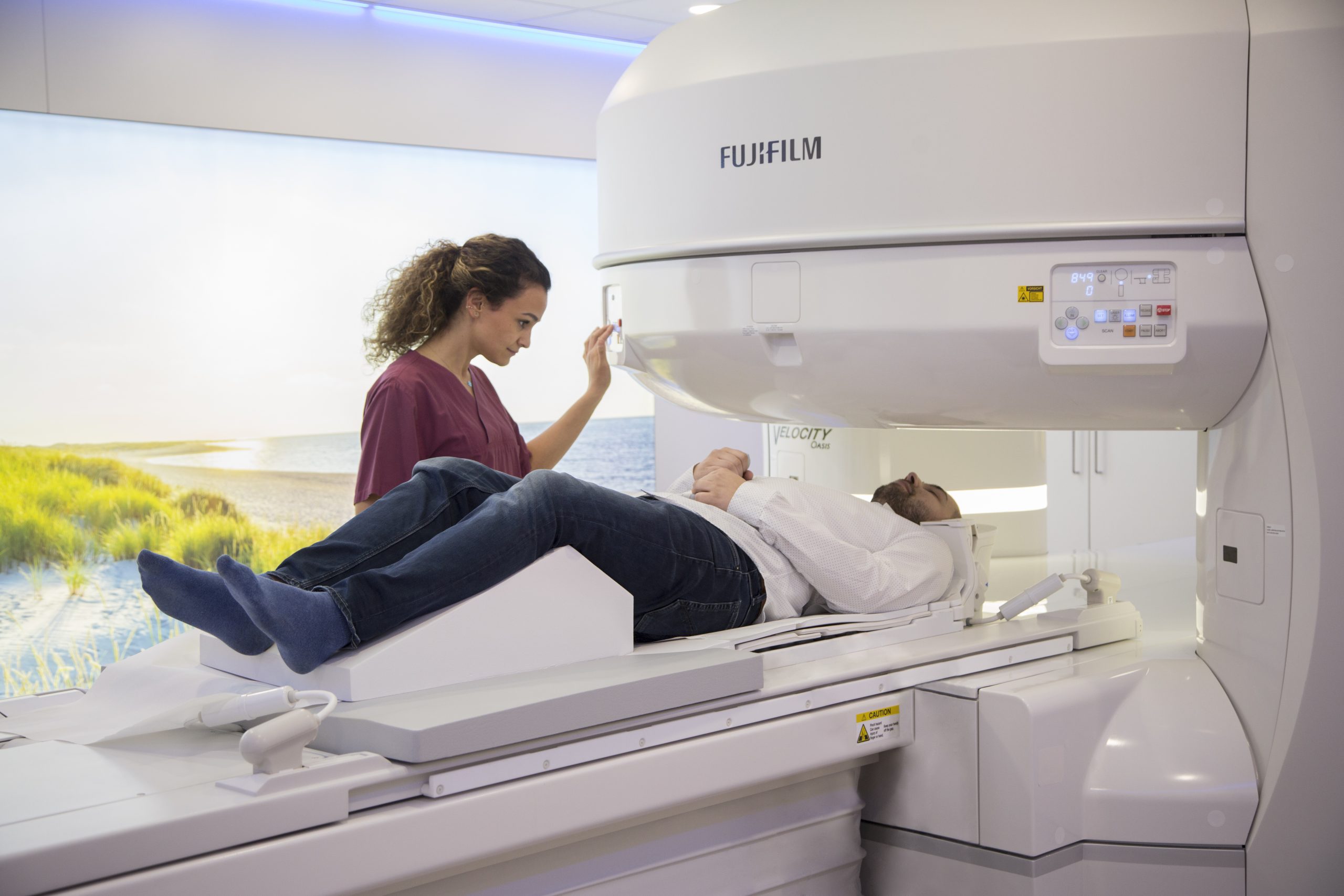
- Free field of vision and a lot of space avoid space anxiety
- Open design without tube
- Quiet knocking noise without noise
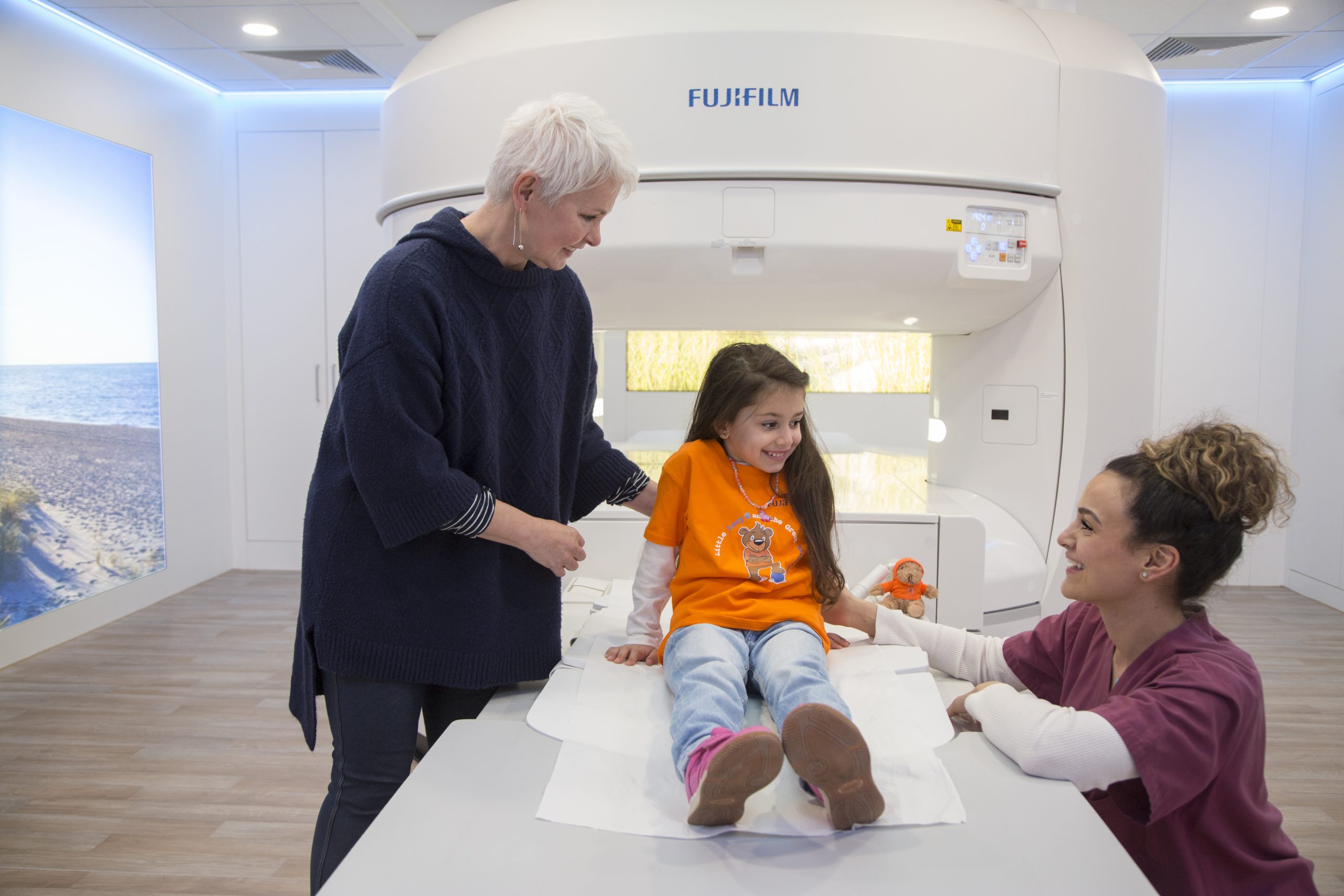
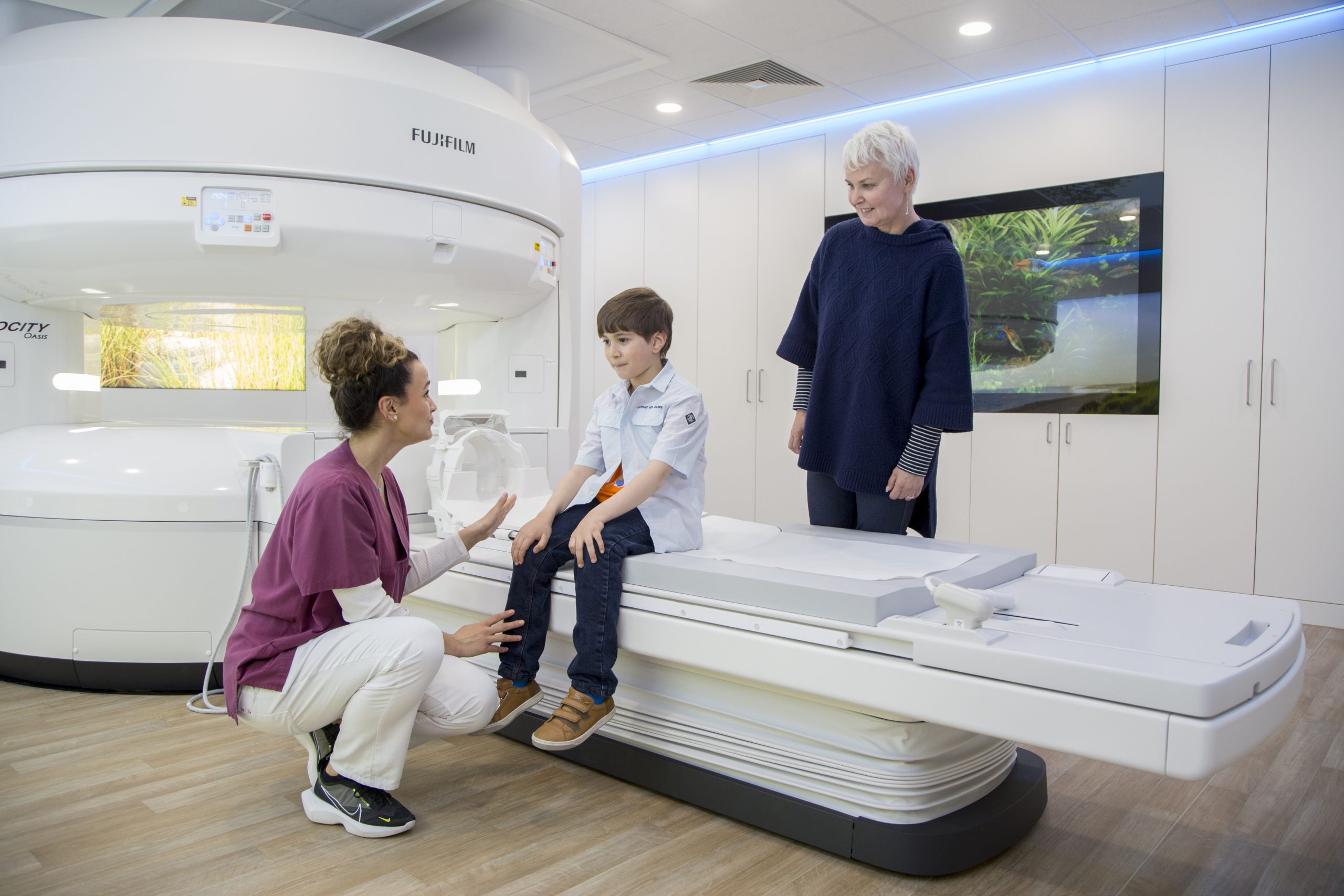
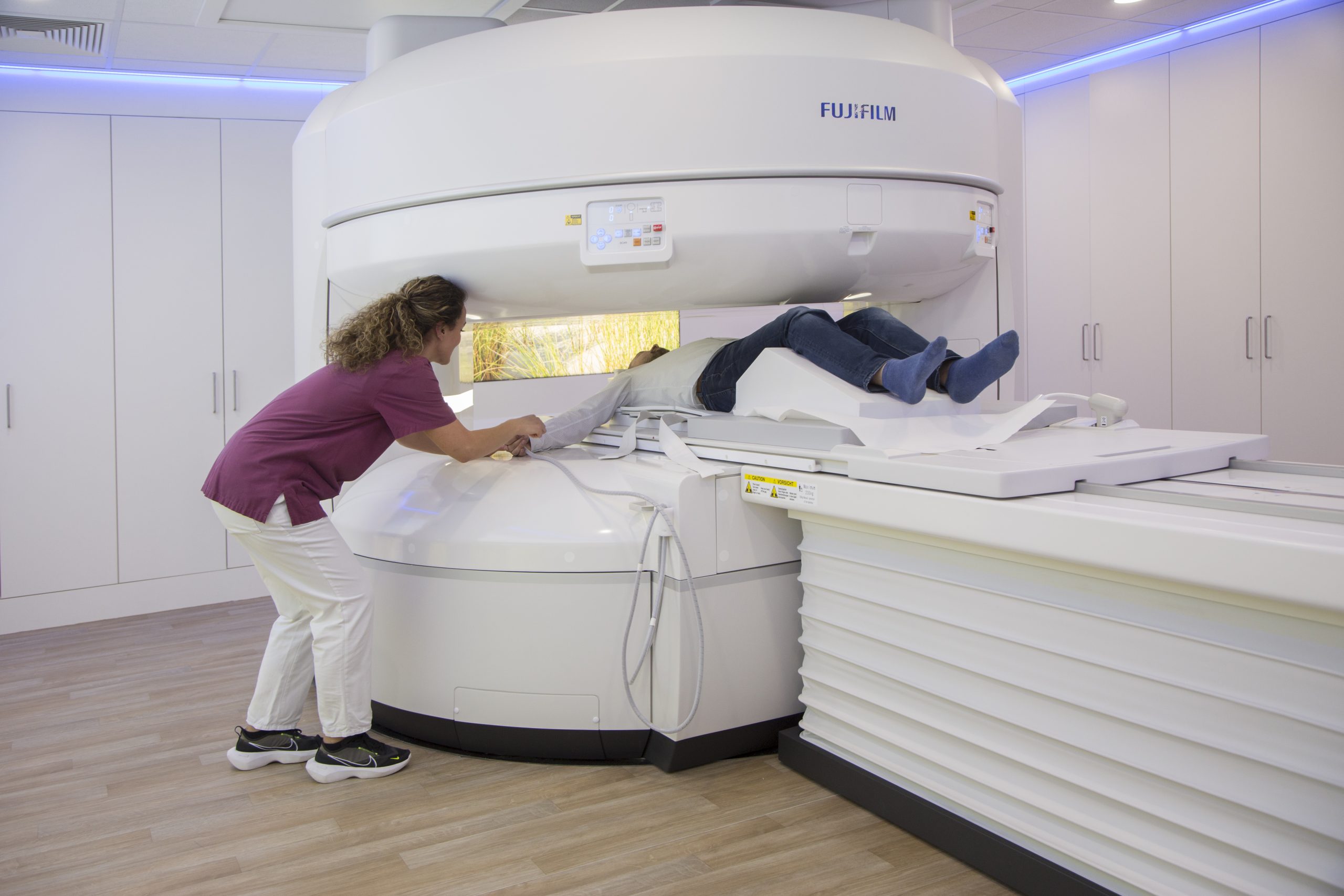
In addition, you can bring an accompanying person with you, who can assist you during the examination. Also in particular: You can carry out the examination in any lying position that is comfortable for you.
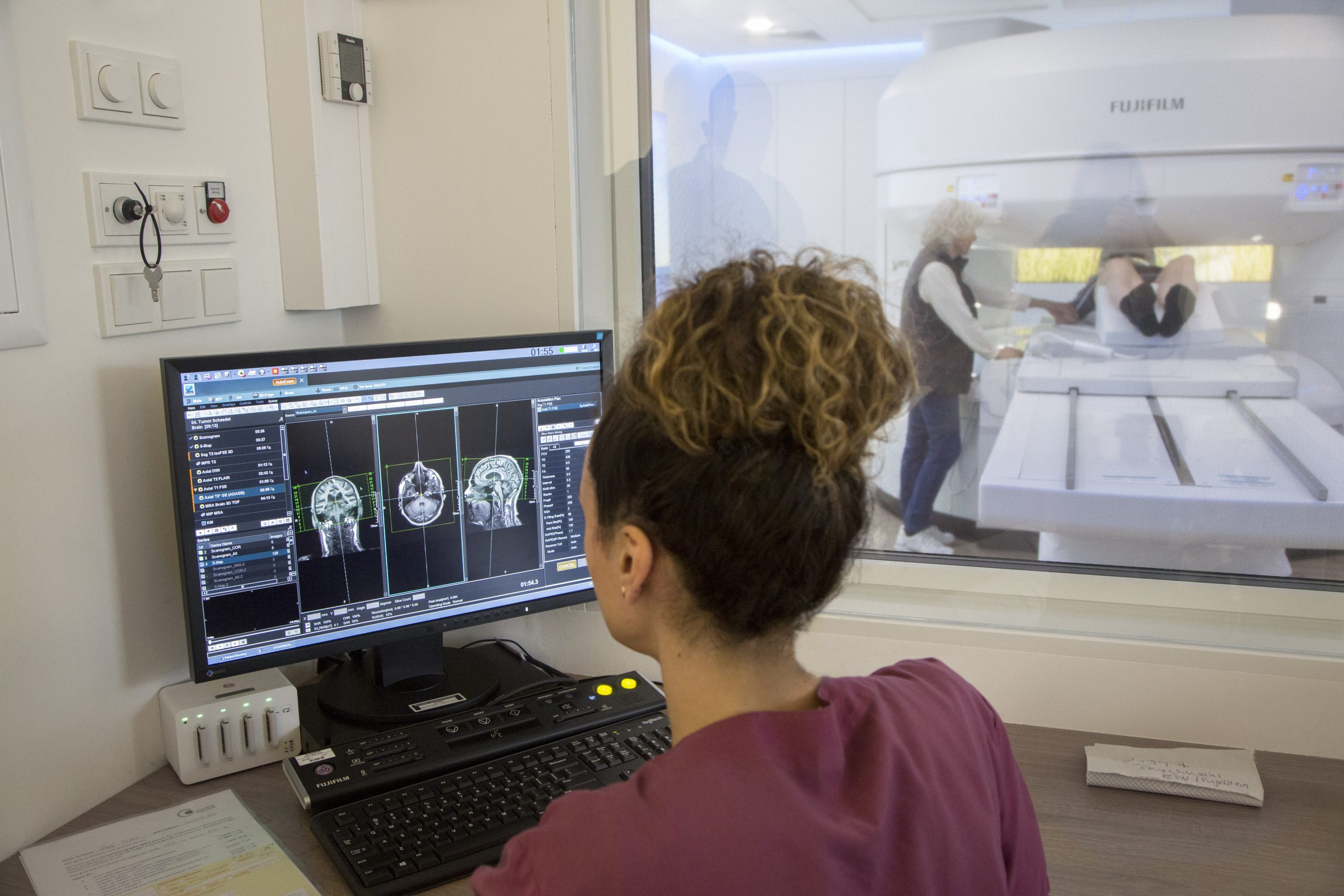
In addition, of course, you also benefit from the high accuracy of imaging diagnostics. Through razor-sharp images, our doctors can detect or rule out more comprehensive, fast and detailed diseases. The option of 3D reconstruction is the basis for individual and gentle treatments, for example, it can be used to determine the best way for our surgeons to perform an operation.
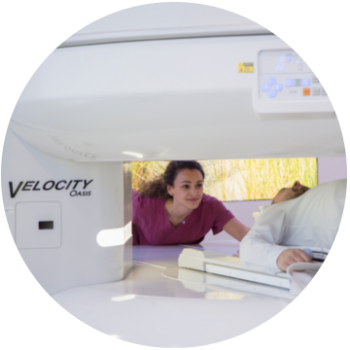
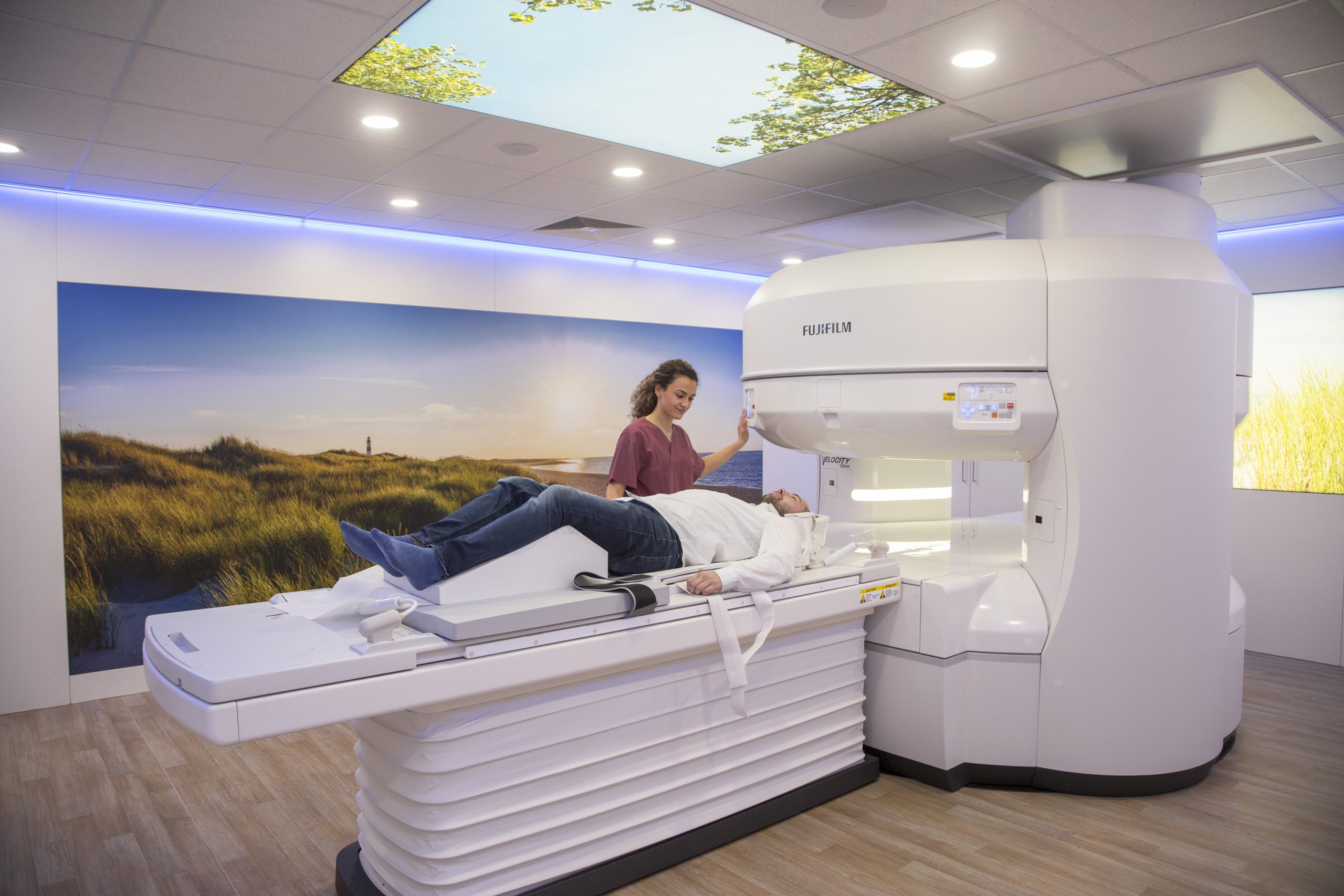
Our open magnetic resonance imaging (MRI) scanner for your increased examination quality
Our open MRI is designed to give you the most enjoyable experience possible while allowing state-of-the-art imaging. For you, this means further advantages:
- Hand holding by accompanying person possible
- High comfort due to free choice of lying position
- High-resolution images for accurate diagnostics
- Calming environment is ideal for treating anxiety patients, children, people with reduced mobility or strong physique, dementia sufferers and many more
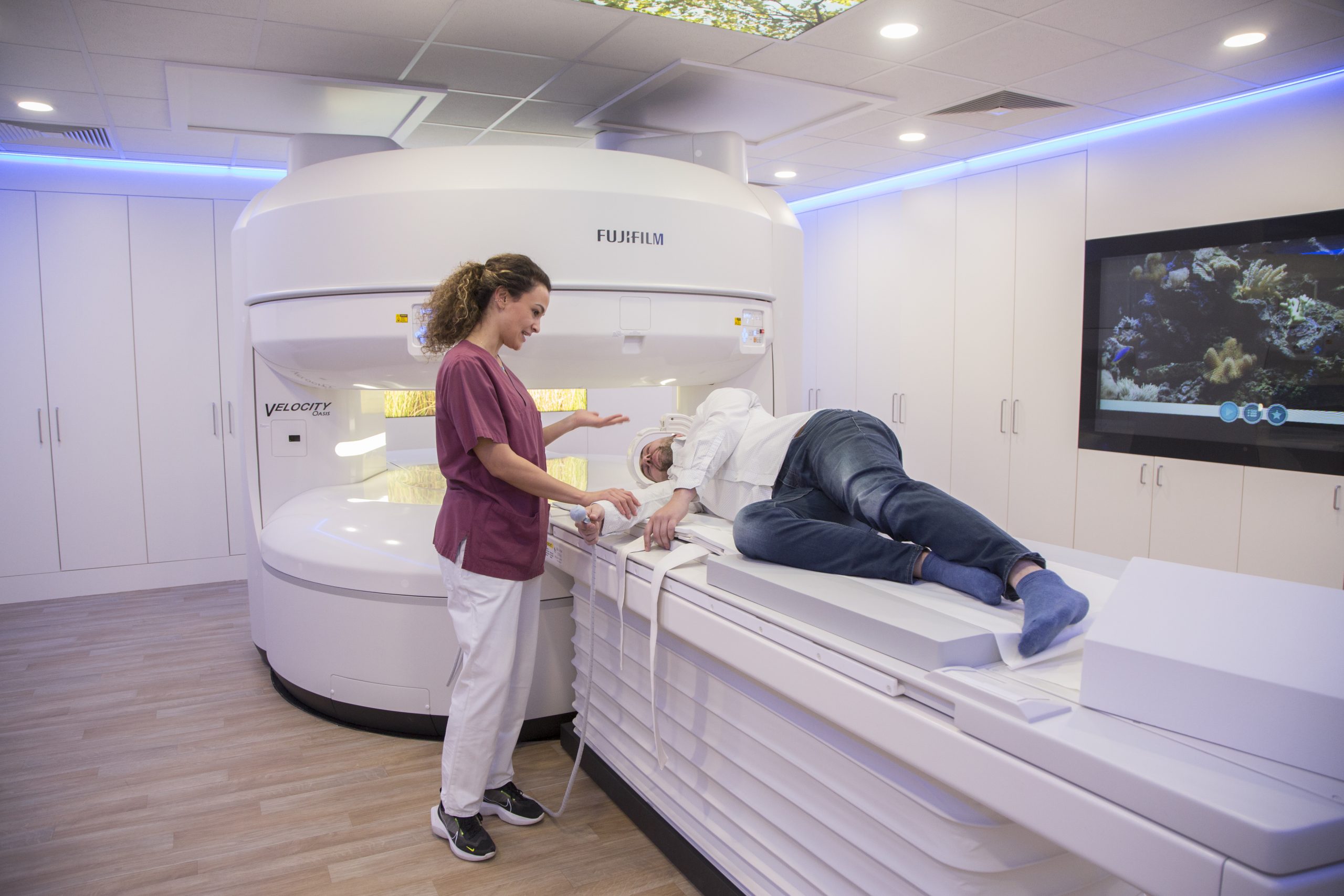
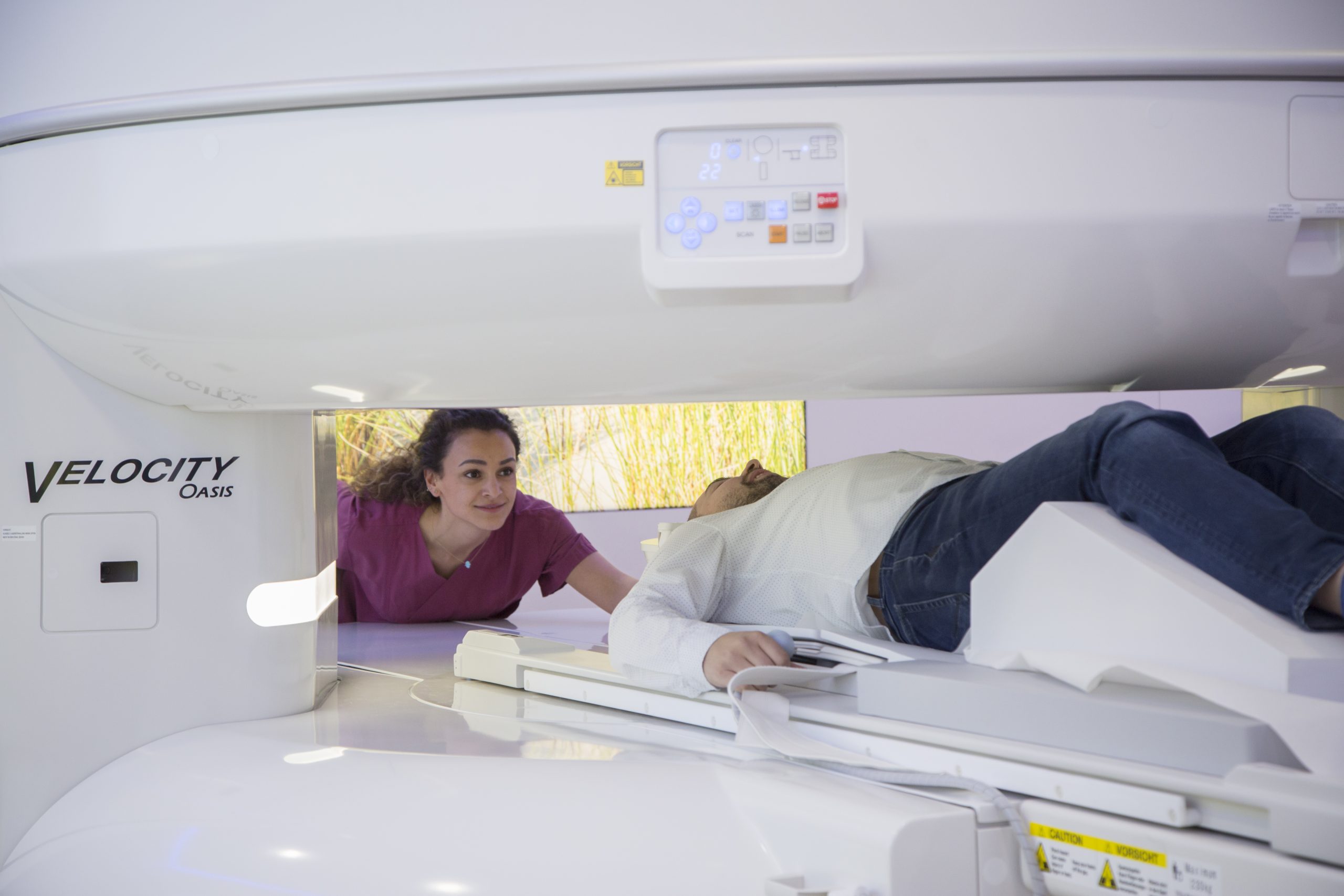
Thinking of everyone: Many patient groups benefit from open MRI
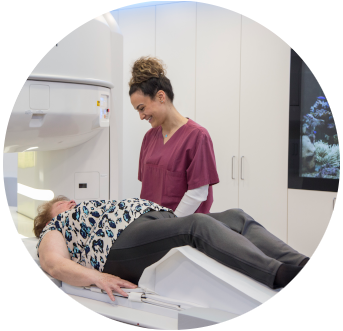 Especially for dementia patients, the examination in open MRI is more stress-free and anxiety-free, since no loud noises occur and the examination does not take place in confined spaces.
By the way, anxiety situations are the most common reason for aborted examinations.
This is much less common in open MRI. Accompanying persons can also hold the patient's hand during the examination, which additionally ensures a more stress-free procedure.
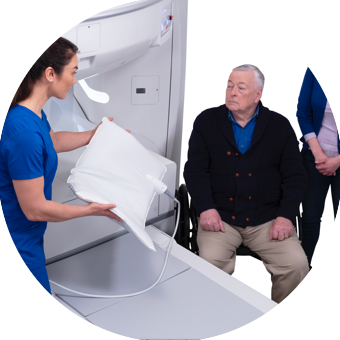 Since it is possible to bring an accompanying person in our open MRI, it is particularly suitable for examinations of people with disabilities or other persons who are dependent on assistance.
The presence of a trusted person lowers stress levels, making patients less afraid.
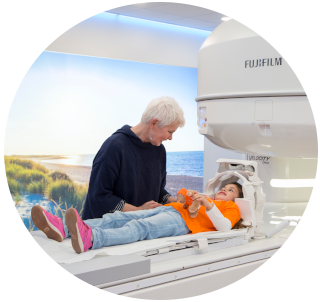 Children often find medical examinations unpleasant – especially magnetic resonance imaging (MRI) in a narrow tube is then associated with anxiety. The open MRI offers a real alternative: a pleasant environment, more space and mom or dad are there all the time.
The examination of children is much quieter than in the usual ‘tube’ thanks to the open design of our device. Children move less during the procedure, which increases the image quality and examinations need to be repeated less often.
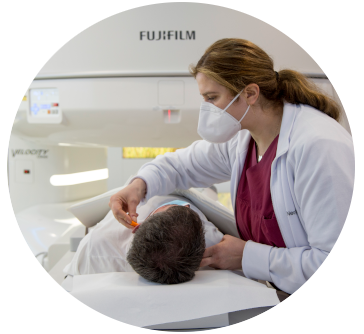 In older age or even in the case of pain, it may be unreasonable for patients to undergo a half-hour examination in a position without movement.
The open MRI allows an examination in any lying position. For some examinations, not even the whole body needs to be placed under the magnetic surface. Magnetic resonance imaging is as painless as possible.
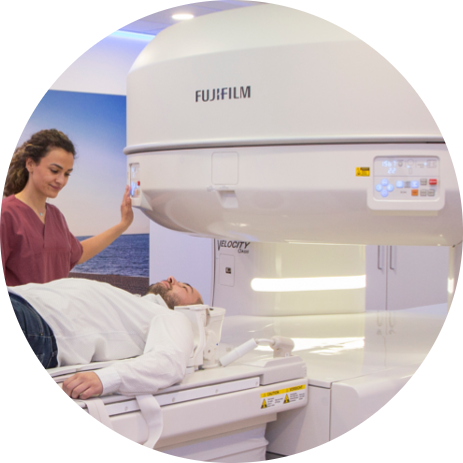
In our open MRI there is room for almost any height
and for almost every body circumference.
We are happy to offer you a sample beforehand if you are very overweight and/or have a very voluminous body circumference.
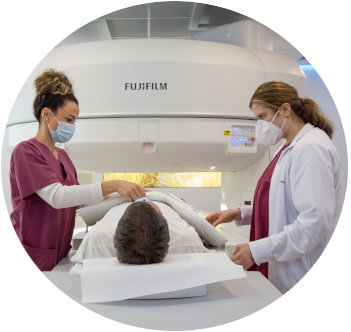 A particular challenge is MRI in patients receiving intensive care or other treatment in parallel, such as artificial ventilation or medication via an infusion. Where ‘tube’ MRIs need to fit, the strengths of our open MRIs come to light, as ventilator tubes, infusion stands or other devices are no problem here.
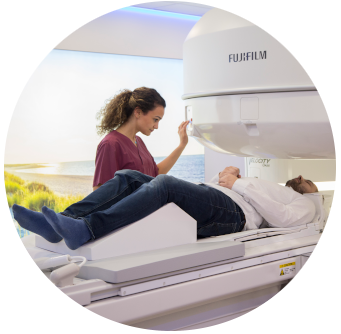 Sports injuries require an accurate and comprehensive diagnosis – in particular performance and professional athletes need a reliable basis on which further treatment is based. This allows injuries to heal faster and downtimes to be shortened. Our open MRI offers imaging at the highest level and fast appointments.
To make you feel well cared for all around, in addition to the technical equipment, of course, the human interaction with you is very important to us. For this reason, we would also like to offer you more service around your investigation: Whether caring for your child during your examination, patient transport or examinations at any time of day or night, we try to provide the best possible care tailored to the individual case. Feel free to contact us to find an individual solution together.
Spectrum of investigations: Which body regions can be examined in open MRI?
- Spine (neck, chest and loins)
- All joints (e.g. shoulder, elbow, knee, hand and jaw)
- pelvis
- Thoracic wall
- skull
- abdominal cavity
- prostate
- chest
- In addition, there is also the vascular representation (e.g. angiography of the cervical and cerebral vessels, the aorta as well as the pelvic and leg arteries)
Open MRI services: Who can be examined?
Patients of the district clinic
The open MRI, like any device of the district clinic, is primarily for clinical patients. In open MRI, the inpatient cases of the district clinic are looked after if necessary, regardless of the respective insurance status. In the case of district hospital patients, it is therefore irrelevant whether a patient is insured by law or privately. If an MRI examination is necessary, it will be performed in our open MRI. Incidentally, the same applies to emergency outpatients – i.e. patients who are admitted via our central emergency department.
Outpatients
In addition to regular hospital operation, we also offer examinations in open MRI by appointment to outpatients. Since we are a clinic and not a doctor's office with a cash register seat, we can only make this offer to self-payers, private insured persons and patients with a through-doctor transfer (professional cooperative). In the meantime, however, statutory health insurance companies are increasingly bearing the costs of a corresponding examination. To make sure of this, we recommend that legally insured ambulance patients consult with a specialist from their health insurance company before booking an appointment for an open MRI.
Due to the versatile possibilities on affected body regions and the individually necessary diagnostic scope, we cannot make blanket statements on prices for examinations in open MRI. In order to make a valid assessment of the costs of an investigation, we need a concrete description of your case. We would be happy to provide you with a cost estimate on this basis. You can simply send your request for this by e-mail to radiologie@kreisklinik-gg.de judging. Then we will gladly take care of a short-term appointment.
Open MRI for cash register patients:
The examination in open MRI is basically not a service of the statutory health insurance companies. This means that members of a statutory health insurance fund usually have to pay for this examination themselves. We will inform you in advance of your treatment about possible costs that may arise as part of your examinations. More and more frequently, however, the statutory health insurance funds are also reimbursing the examination in the open MRI – partly pro rata or even in full. We therefore recommend that health insurance patients inquire in advance with their health insurance company about the possible assumption of costs.
In this context, we ask for your understanding that we cannot make a blanket statement on the exact costs, since the scope and course of the examination depend individually on the complaint profile and personal requirements and needs of the patient.
In order to make it easier for you to apply for reimbursement from your health insurance company, we will provide you with a corresponding form to PDF download available. You can print it out, fill it out and then submit it to your health insurance company. If you have any questions, please do not hesitate to contact us here. Simply contact us by e-mail or telephone.
Open MRI for private patients:
Depending on the health insurance and the chosen rate, your insurance company will reimburse the costs of an open MRI. As a private patient, you usually do not have to bear the costs yourself.
Review of the installation of the device
In retrospect, the following two videos illustrate the installation of the device in the clinic premises in January 2022.
State of play: 1 April 2022 – Subject to change
General information about the MRI in the open device (FAQ)
Magnetic resonance imaging (MRI) is a modern imaging technique for the examination and diagnosis of numerous diseases throughout the body.
How does an MRI work?
The magnetic resonance tomograph generates a strong magnetic field that interacts with the atomic nuclei of our cells. This interaction is called resonance. Due to the fact that the resonance is different depending on the type of tissue, a powerful computer can produce a black and white image of the tissue.
Is an MRI harmful to health?
An examination in the magnetic resonance tomograph is not harmful to health. Compared to an X-ray examination, no ionizing radiation is released during MRI.
What is the difference between MRI and CT?
In computed tomography (CT), as in magnetic resonance imaging, sectional images of the tissue are made. However, the way it works differs: In CT, X-rays are used, while MRI works via a magnetic field.
Who can't go to the MRI?
As a rule of thumb, caution should always be exercised when metal is in or on the body. In principle, patients with pacemakers, insulin pumps and neurostimulators cannot be examined on MRI. The same applies to patients who have metal splinters in the area of the head. Exceptions to this only apply if explicitly approved by the attending physician.
What is MRI diagnostics used for?
MRI is used for a variety of examinations. MRI is particularly suitable when soft tissue needs to be examined. This includes, for example, connective, nerve or muscle tissue as well as the brain and all organs. In addition, liquid-filled cavities can be well examined by means of an MRI. Such cavities are usually found in the heart, blood vessels, and bile and pancreatic ducts.
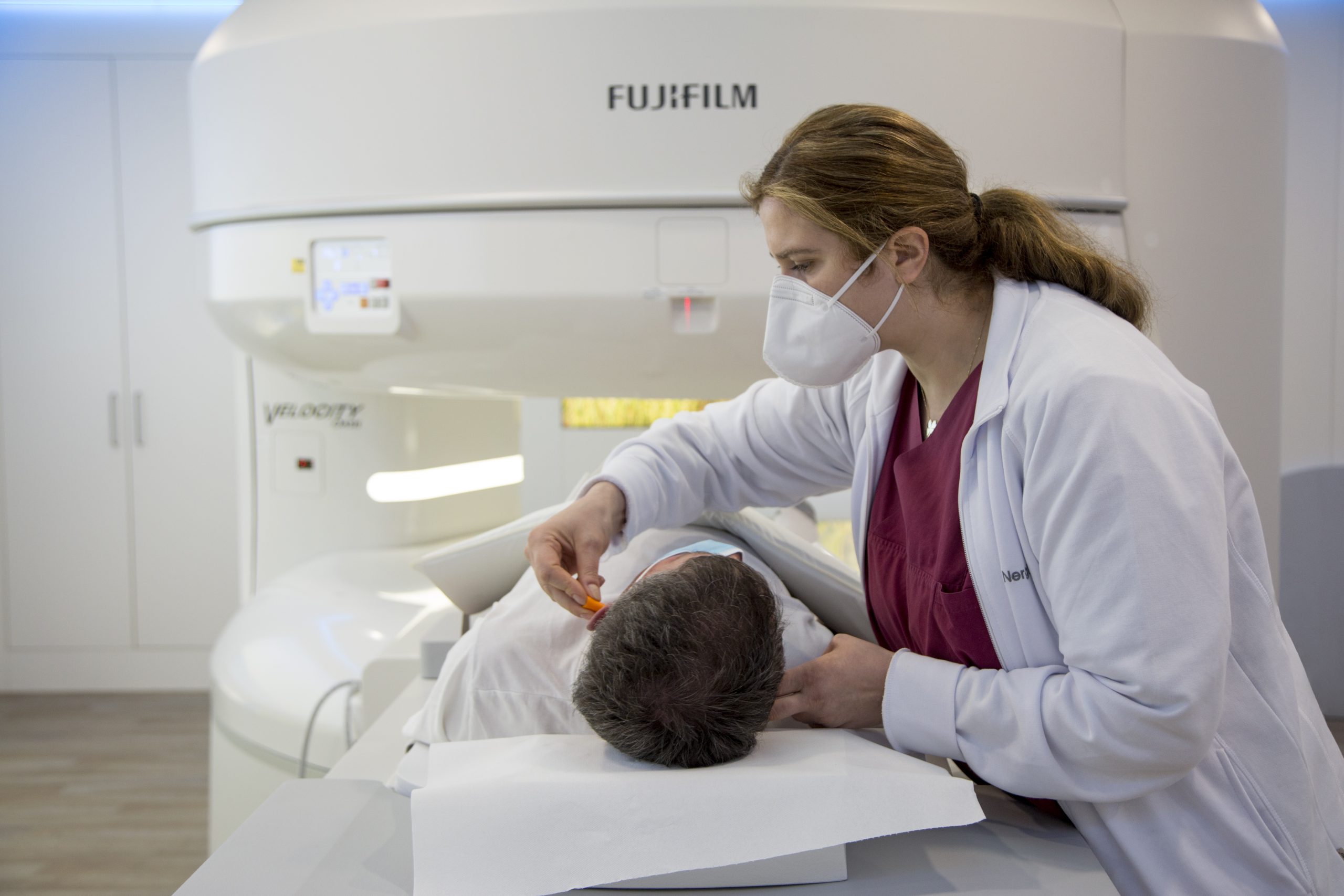
First of all, you will be greeted by our team on site and guided into a changing room. There you remove (as far as possible) all metal objects that are on their body. This includes the metal on the clothing (e.g. metal hooks, metal fasteners, belts) as well as removable piercings and other jewelry. We will then take you to the examination room and explain the examination steps to you. After you have taken a seat on the stretcher, you will be driven into the device and the examination will begin.
The examination is painless and is usually perceived as very pleasant by our open MRI. If, despite this, complaints or anxiety occur, you can contact our medical-technical radiology assistants at any time and cancel the examination if necessary.
What is there in general to consider?
Please appear unvarnished. Certain make-up contains metallic ingredients and may interfere with the examination. Please inform us if you have metallic implants, wear a prosthesis or permanent make-up, as well as if you have tattoos on or near the area to be examined.
Can I take my medication on an MRI before the examination?
You can take your medication as usual before the examination. Exceptions may exist in the case of contrast medium administrations. If you receive contrast agents, please inform us about all medications you take regularly.
What are contrast agents? How are they administered?
Contrast agents are water-soluble substances that are administered to make tissue structures more visible during MRI. The most common contrast agents are water-soluble forms of gadolinium, iron oxides or manganese compounds. Depending on the remedy, administration is carried out by injection into the arm, groin or as a drink.
Do I need a contrast agent?
The administration of contrast agents is necessary only in certain medical cases. No contrast agent is administered for most MRI examinations. In examinations of the abdominal cavity, the brain and blood vessels, contrast agents are regularly used. Contrast agents can also be administered during examinations of the joints and spine. We will inform you in advance about the award and clarify you comprehensively.
How long does the investigation take?
Depending on which part of the body is being examined, the examination can last between 15 and 30 minutes.
What do I wear to the investigation?
It is important that you feel comfortable during the examination. It is best to put on comfortable clothes. However, make sure that your clothes do not have metal elements (e.g. metal hooks, metal closure, buttons, bra, etc.).
What about pregnant/breastfeeding mothers?
Side effects for mother or child from MRI are not known. As a pure precaution, an MRI in the first third of pregnancy (first trimester) is not provided. In late pregnancy, an MRI is safe.
If contrast agents have been administered, it is recommended that breast milk be pumped out and disposed of within 24 hours of the examination. This, too, is a mere precaution. Side effects from breastfeeding are not known.
MRI and piercing or tattoo: What needs to be considered?
An MRI with tattoos is basically possible, since since the 1990s in Germany no more metal particles are contained in the color. However, in some cases, impairments of the image quality are still possible. This is especially true if the tattoo is above the area to be examined.
Basically, metallic jewelry of any kind should be deposited before the examination. Especially piercings made of iron, cobalt or nickel are unsuitable for MRI, as they can heat up in addition to the possible falsification of the results and lead to burns.
Piercings made of titanium, implantanium or polytetrafluoroethylene (PTFE) react less strongly to the magnetic field and are therefore basically harmless. However, this does not apply if they are in the same section as the body to be examined.
What documents and documents should I bring to the examination?
If available, you should bring comparative photographs of the body to be examined. Each previously made recording helps us to make a more precise diagnosis.

contacts
Radiology secretariat
Nicole Hohmann
06152 986-2375